












AI image generation is everywhere now. You can generate a photorealistic living room in seconds with a dozen different tools. But there's a problem almost all of them share: the products in the image don't exist.
A beautiful sofa, a perfect pendant light, a specific tile pattern. All hallucinated. You can show the image to a client or save it to your mood board, but you cannot buy anything in it. The visualization is disconnected from commerce.
The constraint that changes everything
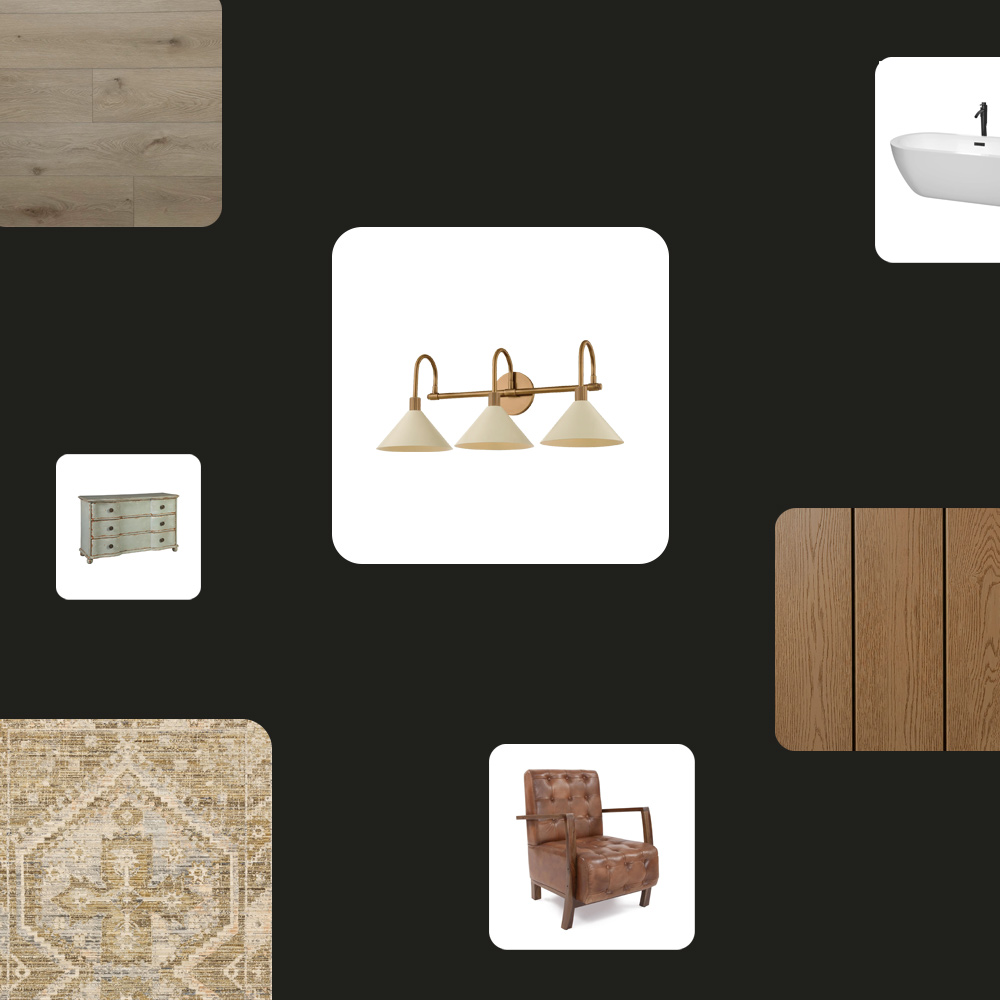
Homeform is built on a different model. Every product in the catalog is a real SKU submitted by a real brand, with a real price, a real product URL, and a real fulfillment path. When the AI generates an image, it draws from that catalog. When you see a floor tile you love, that tile ships.
We think of it this way: Pinterest shows you what's possible. Homeform shows you what's purchasable.
How it works in practice
When you run a generation on Homeform, the AI is given context about the products available in the relevant category. It selects from real catalog entries, matched by style, category, and region where applicable, and builds the render around them.
The Shop This Look panel underneath every image shows you exactly which products appeared, with direct links to purchase or request a quote. Every render is a shoppable document.
For brands, it means something too
When a homeowner is actively designing a space, they are at the highest-intent moment in home commerce. Homeform puts your products inside that moment, visualized in a real home, at the point of decision.
- →Your products appear in AI renders for relevant categories
- →Every impression is tracked in your brand analytics dashboard
- →Click-throughs go directly to your product page or store
- →Commerce is built in. No custom integration required.
The real-product constraint is a harder technical problem than hallucinating beautiful furniture. We think it's worth it.